

Public content served from the new content model and resolved through migrated aliases.
We must consider some actions before performing laser shaft alignment to ensure that everything goes as planned and for the shaft to be aligned without any problem. So let’s take a look to learn what to do before a laser shaft alignment.
As well as many industrial tasks, shaft alignment services expose the personnel to certain workplace hazards. These hazards must be addressed before starting the shaft alignment services to eliminate or at least minimize such hazards.
Some of the hazards involved in the laser shaft alignment services are:
There are other hazards associated with the laser shaft alignment services. If you wish to learn more about the workplace hazards while performing this and other asset inspection activities, you can do it by visiting our workplace hazards learning section.
On the other hand, the actions to take before the alignment of the shaft with laser alignment equipment to eliminate or minimize such hazards are:

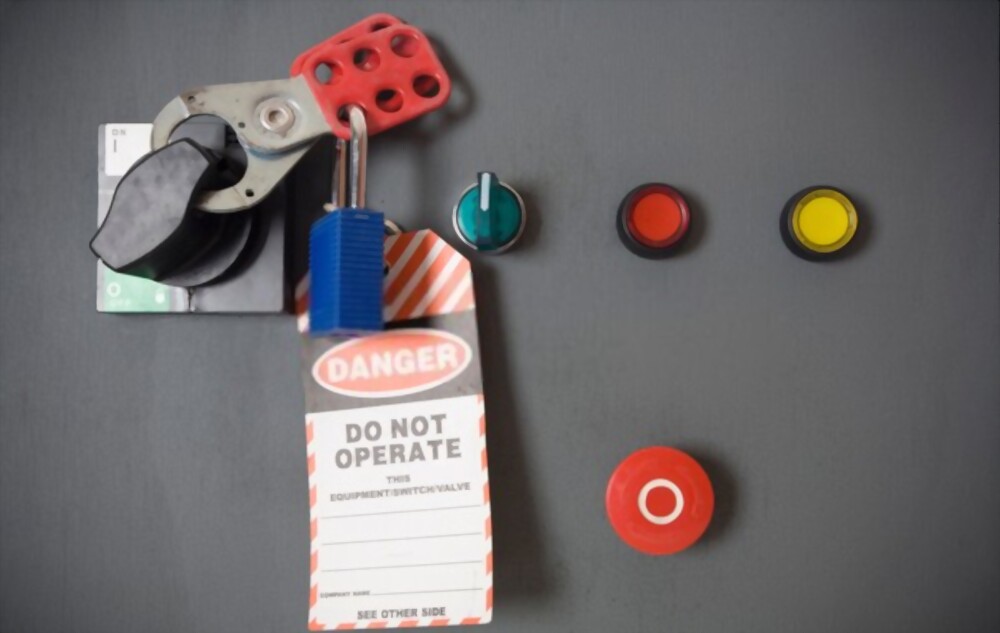
When the laser shaft alignment is performed on-site, it is necessary to coordinate the activities with the company receiving the shaft alignment services.
This coordination includes:

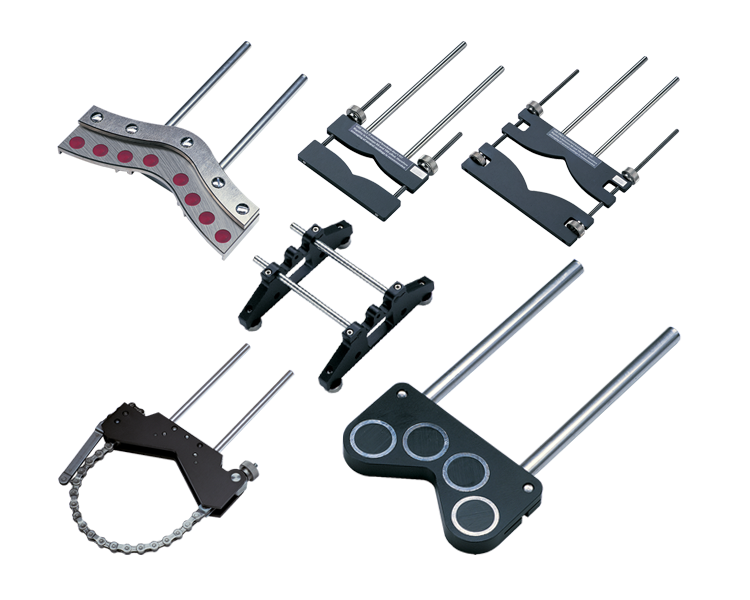
As part of the information that must be coordinated with the company, one of the most important pieces is the information about the machine, which enables a correct shaft alignment. This information includes:
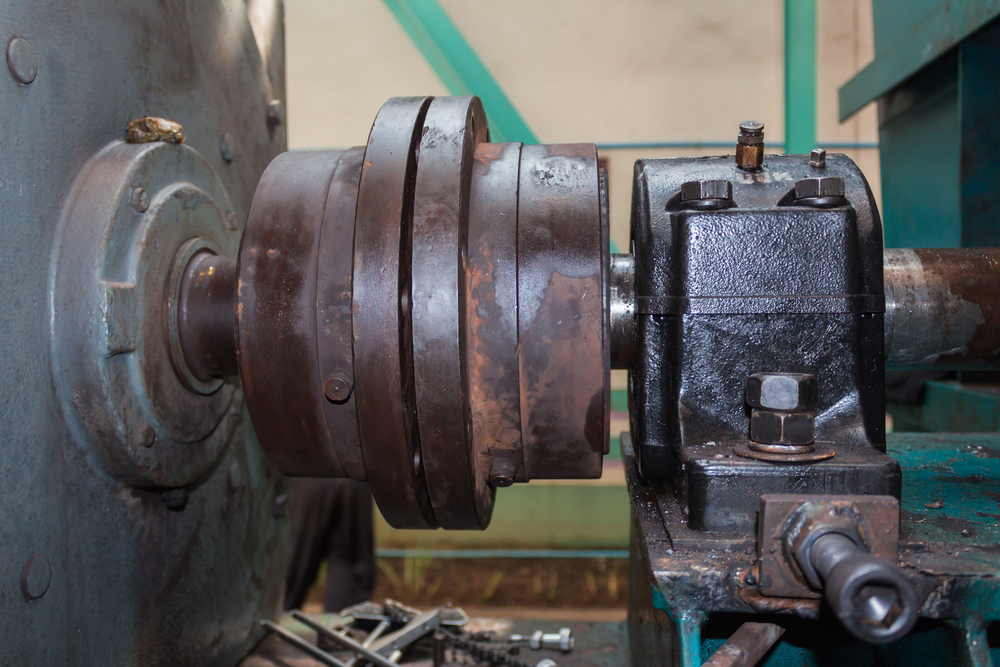
The soft foot in rotating machinery is a significant problem that must be detected and corrected before it creates bigger problems and severe damage on the machines.
It is recommended to verify the possibility of the soft foot before performing the shaft alignment. This problem might be a direct cause of misalignment, meaning that it can also affect the alignment performed. Follow these steps using a shaft alignment system:
The alignment equipment calculates the distance the machine is moving and determines whether there is a soft foot. If the result is in the range of 0.002 inches (0.0508 millimeters) to 0.003 inches (0.0762 millimeters), then there is a soft foot.
Read more about the soft foot in rotating machinery.
Once the previous steps are completed, and only the laser shaft alignment is missing, proceed as follow:
While correcting the soft foot issue or in case of severe misalignment, pre-alignment is recommended. This can be done quickly by using a dial indicator, and it is a process that speeds up the final shaft alignment.
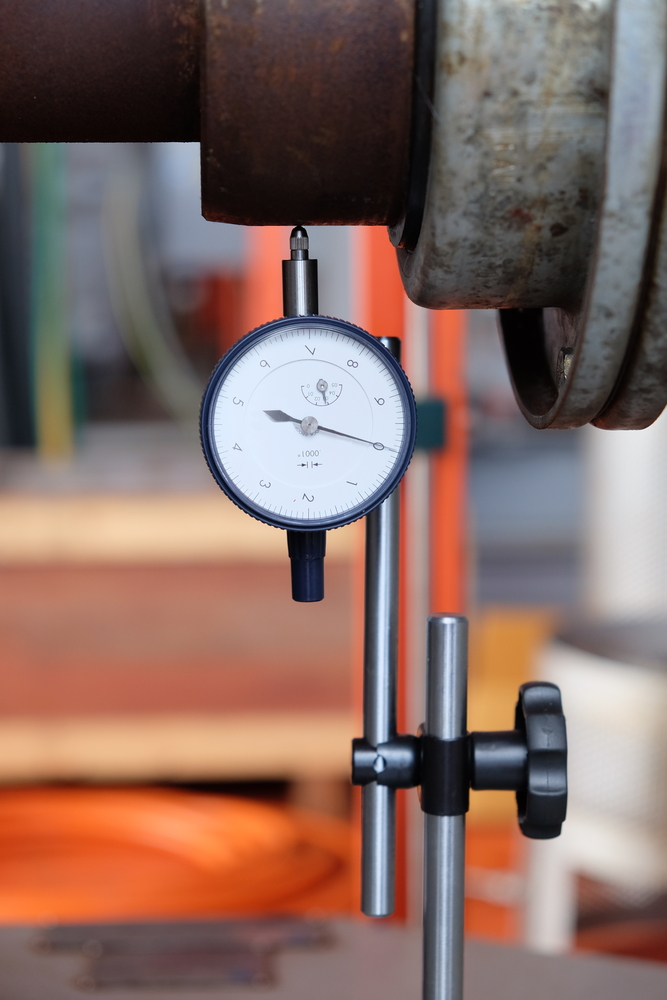
Also, it ensures that the laser is perfectly pointing into the center of the sensor. In severe misalignment, the problem can be corrected by taking partial measures until the laser gets out of the sensor’s reading area.
To ease the process in these cases, it is also possible to use the laser alignment equipment function, which is called “extend range”. This function allows making the measuring range wider for severe misalignment. Using this function, the equipment is given the input of the point where the laser gets out of the sensor range, then the laser is moved back into the range, and a new measure is taken until it gets out of the range again. This process is repeated until sufficient measures are taken with the angle required for the equipment to generate the alignment circumference.