

Public content served from the new content model and resolved through migrated aliases.
For years, I’ve observed how some of our clients at Power-MI have leveraged Condition-Based Maintenance (CBM) to achieve outstanding operational benefits. One of the most surprising yet powerful outcomes is how these clients use Power-MI to demonstrate controlled risk and consistent reliability improvements to their insurance providers. Every year, I see more of our customers negotiating better contract conditions—lower premiums, fewer exclusions, and more favorable deductibles—simply by showing insurers the data-driven maintenance plans they have in place.
From my perspective as the CEO of Power-MI, this growing trend reveals a synergy between industrial insurance and maintenance. Insurers, once wary of the unpredictability in industrial environments, now find comfort in the factual evidence of risk mitigation that modern Condition-Based Maintenance provides. Companies that effectively harness CBM strategies are well-positioned to reap benefits: after all, proactive maintenance lowers the chances of unplanned downtime and catastrophic equipment failures—two costly risks that drive insurance rates up.
In this article, I want to share my firsthand experience in how businesses are using Power-MI to strengthen Condition-Based Maintenance programs. I’ll also discuss why insurers care about robust maintenance practices and how best to present evidence of risk reduction. I hope maintenance managers, plant managers, reliability engineers, and industrial engineers will find insights here on how data-driven maintenance can lead to advantageous insurance terms.

Condition-Based Maintenance (CBM) relies on periodic monitoring of asset condition. Maintenance teams can anticipate equipment failures by monitoring machinery using vibration analysis, thermography, motor current tests, and ultrasound, among other techniques, and schedule corrective measures in a structured process. This shift from reactive or time- based approaches to ongoing, data-driven strategies significantly reduces risk in several ways:
Adopting Predictive Maintenance signals to insurers that a company is not leaving reliability to chance but instead employing a systematic approach to risk management. This evidence often translates into more favorable underwriting assessments and can reduce premium costs.
Understanding how insurers evaluate industrial risk is essential to appreciate why Condition- Based Maintenance holds such appeal. Insurers assess multiple data points, including accident history, industry benchmarks, safety track records, and maintenance protocols, to gauge potential exposure. Their primary concern centers on the probability and severity of claims. Large machinery breakdowns or operational failures in asset-intensive industries can lead to expensive repairs, extended downtime, and even collateral damage to property.
When underwriting an industrial policy, insurance companies typically consider:
In scenarios where insurers see thorough, data-driven maintenance programs, they can price policies more competitively or relax restrictive conditions. Conversely, companies lacking a robust maintenance strategy may face higher premiums or stringent policy clauses.
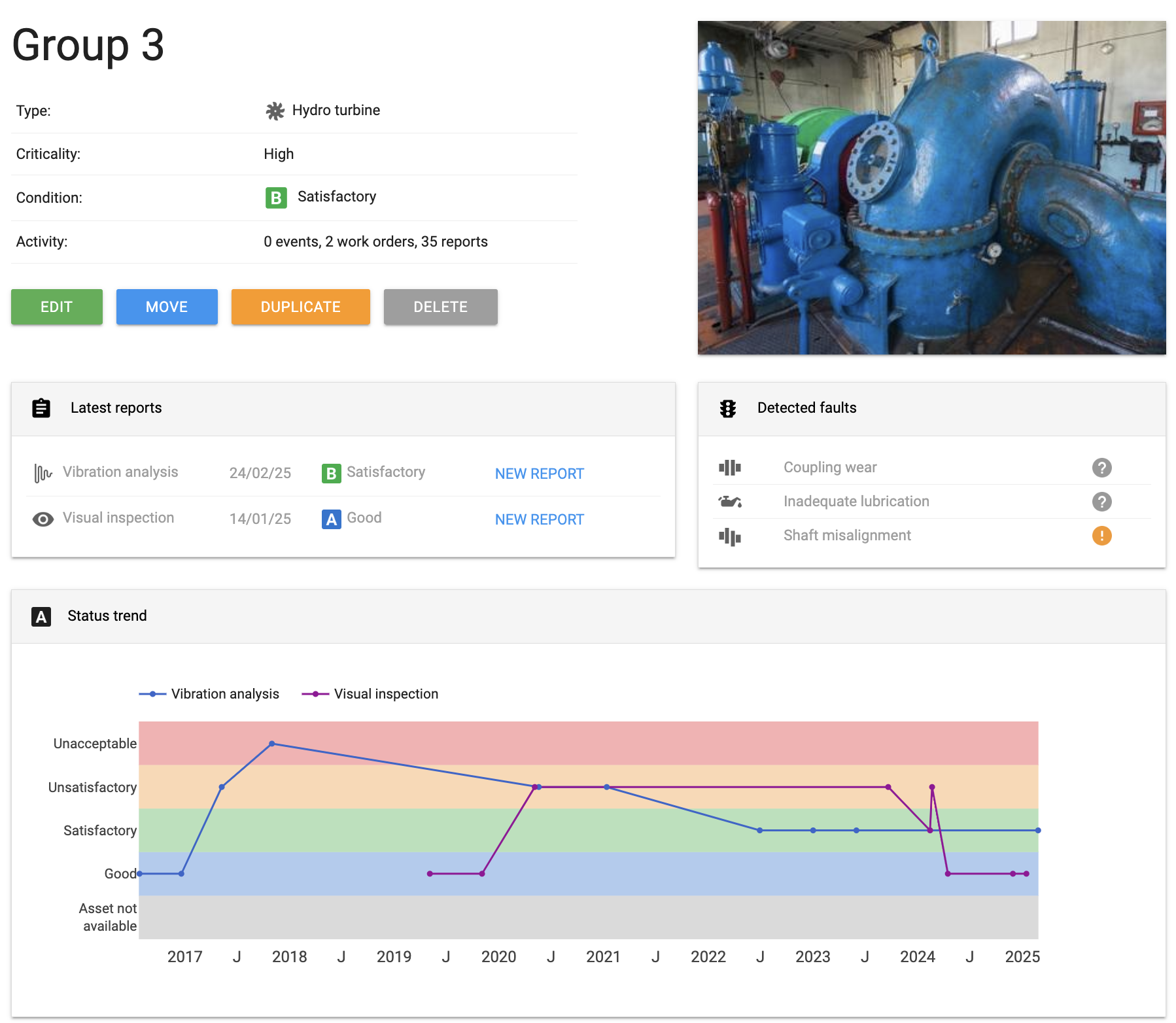 Condition-Based Maintenance provides clear, auditable proof that a business proactively addresses operational risks. Since insurers fear unexpected losses, showcasing a strategy that detects and addresses faults early can substantially impact policy terms. Here are a few elements that maintenance leaders often highlight to insurance underwriters:
Armed with this information, maintenance managers can negotiate improved insurance terms. Many underwriters respond favorably to data showing a strong loss-prevention culture, allowing for lower premiums, broader coverage, or flexible deductibles. Some insurers may even waive time-based maintenance mandates if Condition-Based Maintenance is proven effective, further reducing costs.
Transparency is a pivotal factor in forging trust between companies and insurers. Our platform’s dashboards, analytics, and reporting tools enable teams to share maintenance data with underwriters or corporate risk managers without manual effort. This clear visibility fosters confidence in the accuracy and consistency of the Condition-Based Maintenance program.
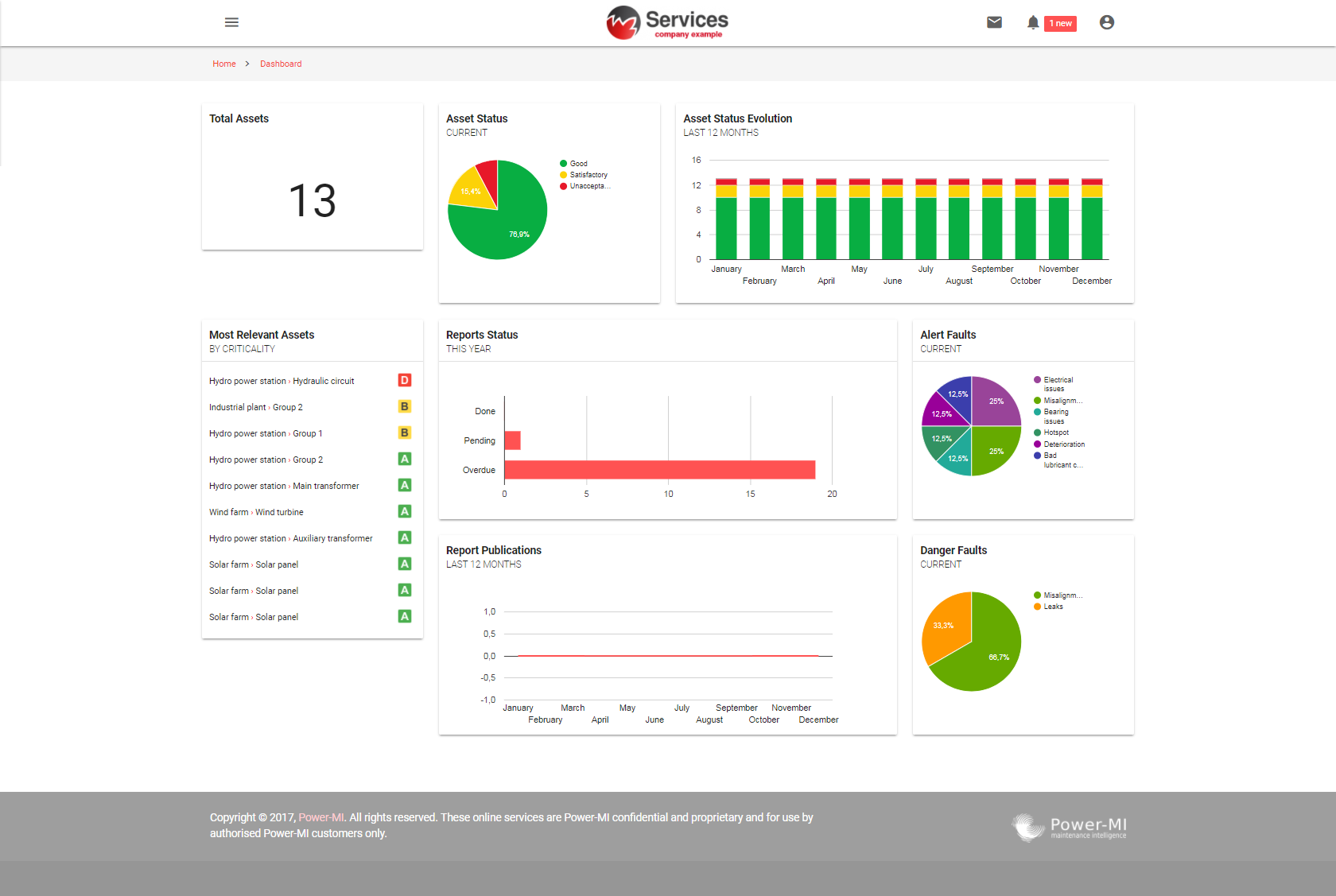
Having a single repository for all this information eliminates the guesswork for insurers, making it simpler for them to see the program’s effectiveness. In cases of a potential or filed insurance claim, the historical record can clarify the chain of events and highlight the proactive steps taken.
At Power-MI, we believe Condition-Based Maintenance (CBM) is more than just a best practice—it's a competitive advantage. A robust, data-driven CBM strategy not only boosts reliability and operational efficiency, but also strengthens your standing when negotiating insurance coverage. By tracking key performance metrics and showing clear evidence of risk mitigation, you demonstrate to insurers that your company is prepared for potential failures and actively working to prevent them.
With Power-MI, you can consolidate and visualize all asset health data, create detailed reports for underwriters, and provide transparent, verifiable proof of your proactive maintenance culture. This streamlined view of equipment performance helps you identify issues early while giving insurers the confidence that your organization is serious about preventing unplanned downtime and costly claims.
By leveraging these benefits, you transform CBM into a critical pillar of your broader risk management strategy—one that insurers reward with improved policy terms.