

Public content served from the new content model and resolved through migrated aliases.
The amount of money that an industrial plant can save using predictive maintenance can vary depending on several factors, including the size and complexity of the plant, the type and number of machines and equipment being used, and the effectiveness of the predictive maintenance program.
Predictive maintenance can potentially save manufacturing plants a significant amount of money through these benefits:
A study by PWC found that “the main drivers for our (Predictive Maintenance) success are factory uptime and safety. Downtime costs can amount to half a million euros (or dollars) per day in missed revenue, so we have reached a point where the benefits of reducing maintenance costs by a few percent are rather insignificant compared to those gained by improving uptime”.
According to the PWC study, Predictive Maintenance improves uptime by 51%
Additionally, the following objectives can be fulfilled: cost reduction (11%), risk reduction associated with safety, health, environment, and quality (SHEQ) (8%), extending the lifetime of assets (7%) and improving customer satisfaction (12%).
The biggest savings from predictive maintenance, however, come from reduced downtime.
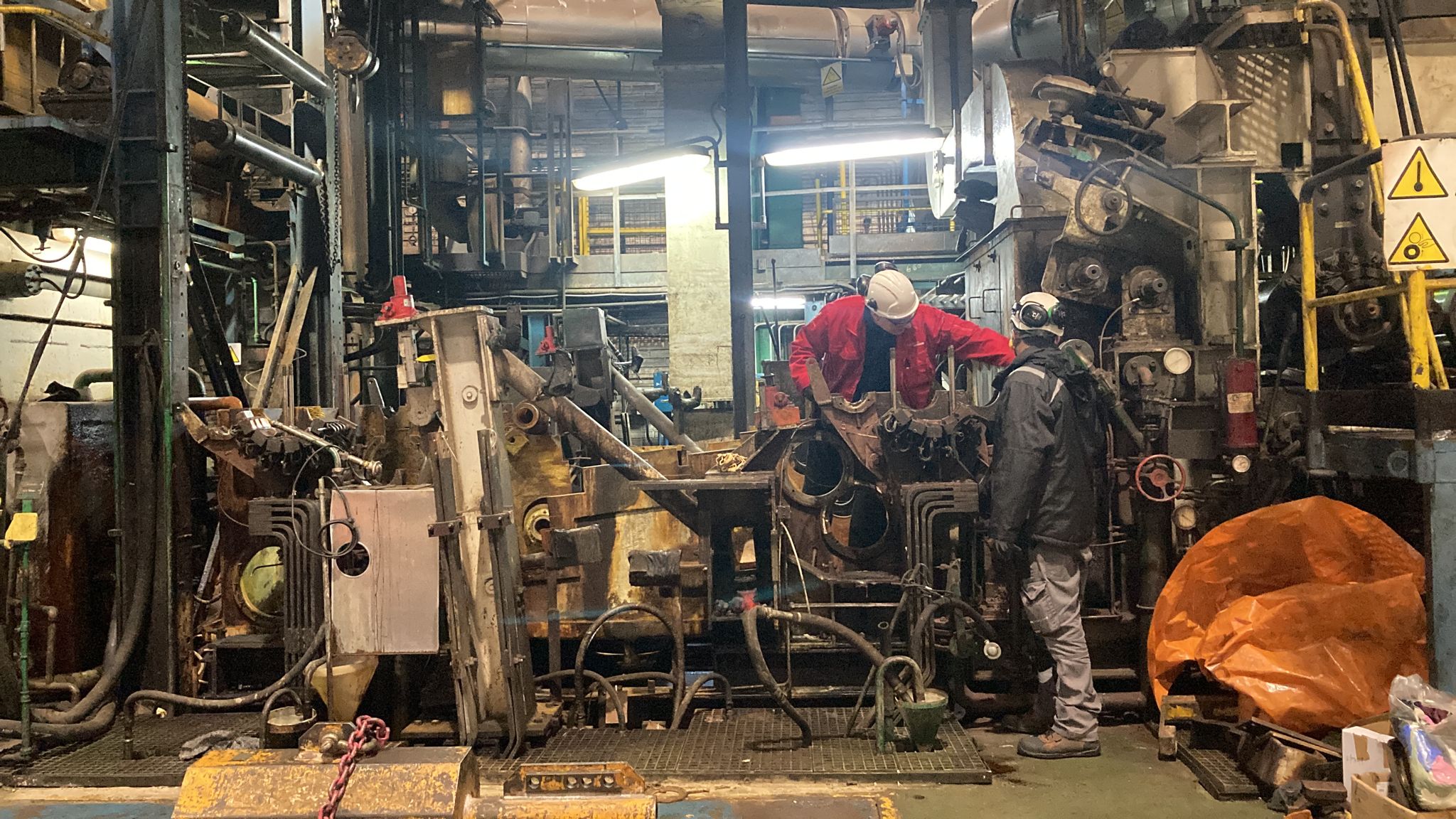
There are several factors to consider when calculating the cost of an industrial plant downtime. Some of the key factors to consider include:

According to The True Cost Of Downtime report, large plants on average lose 323 production hours per year. The average cost of lost revenue, financial penalties, idle staff time, and restarting lines is $532,000 per hour or $172 million per plant annually.
The average cost of downtime is $172 million per plant annually
It is logical to ask why not all industrial plants have a predictive maintenance program or why predictive maintenance programs do not translate into economic results.
There can be several barriers to implementing a predictive maintenance program, including the following:
Most predictive maintenance programs have been implemented following Reliability Centered Maintenance (RCM) analysis techniques and not with the objective of reducing plant downtime.
During implementation, maintenance departments strive to apply the inspection techniques (vibration analysis, thermography, oil analysis, etc.) most appropriate for their industrial assets and to train personnel to execute these inspection techniques properly.
Once implemented, predictive maintenance management is limited to analyzing data from sensors, instruments or laboratory data and generating work orders when there are early signs of failure.
Predictive maintenance programs rarely quantify and record savings or reduced plant downtime. This means that results are not visualized.
In conclusion, the biggest savings from predictive maintenance is the reduction of plant shutdowns, which can be reduced by up to 50%. However, predictive maintenance programs are not implemented based on this objective, but on RCM analysis techniques and their management is focused on machine data analysis.
This leads to the need for predictive maintenance implementation and management tools focused on financial results. Power-MI is a process-focused predictive maintenance management tool for asset inspection management, failure recording and savings documentation.